
- /
Why Some Homes Are Sitting Longer On The Market

The Toronto real estate market has shifted significantly from the frenzied conditions seen during 2020–2022. Today, many homeowners are noticing something new: homes are taking longer to sell.
While properties used to sell in days with multiple offers, the current market is more balanced. Buyers now have more options, more negotiating power, and more time to make decisions.
In fact, data shows the average days on market in the Greater Toronto Area has risen to roughly 24–41 days depending on the property type and month, reflecting a slower pace compared with previous years.
This doesn’t mean homes aren’t selling—it simply means strategy matters more than ever.
Rising Inventory vs Sales Activity
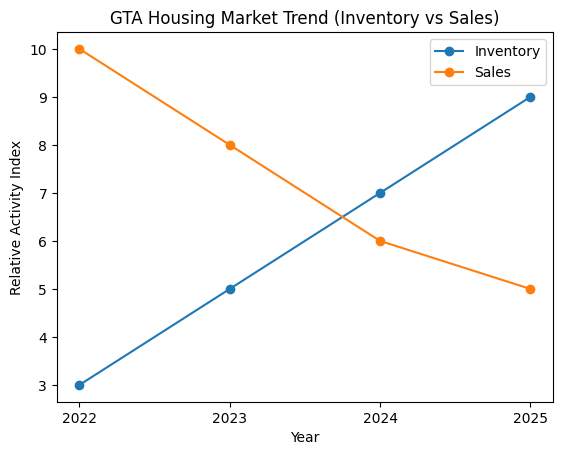
As inventory increases while sales slow, properties naturally stay on the market longer.
The Market Shift: From Seller’s Market to Balanced Market
One of the biggest reasons homes are taking longer to sell is the shift in overall market conditions.
Market Comparison
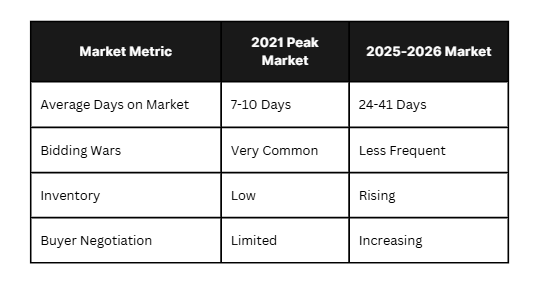
New listings have increased significantly, giving buyers more choice and reducing urgency to act quickly.
At the same time, the sales-to-new-listings ratio has dropped to around 36.6%, pushing the GTA closer to a buyer-favoured environment.
The 5 Main Reasons Homes Are Sitting Longer
1. Overpricing the Property
This is the #1 reason homes fail to sell quickly.
Many sellers are still pricing their homes based on 2021 peak market values, but the market has shifted. Homes that are priced correctly still sell relatively quickly, while overpriced homes often sit without offers.
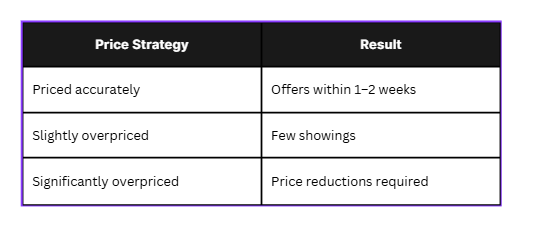
Buyers today are extremely informed and often compare dozens of listings before making an offer.
2. Rising Interest Rates Reduced Buyer Power
Higher mortgage rates over the past few years have dramatically affected affordability.
When borrowing costs increase, buyers qualify for smaller mortgages, reducing the number of potential buyers for certain homes.
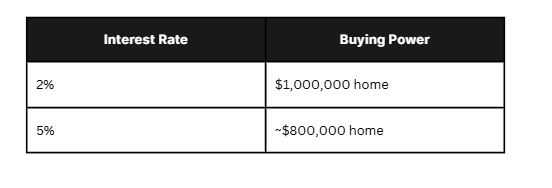
This means fewer buyers can afford higher-priced properties.
3. More Homes on the Market
Toronto currently has significantly more inventory than in previous years, giving buyers more choices and reducing competition between buyers.
When buyers can choose between multiple similar homes, they naturally:
-
Take longer to decide
-
Negotiate harder
-
Wait for price reductions
4. Changing Buyer Preferences
Buyer priorities have changed significantly since the pandemic.
Many buyers now prioritize:
-
Walkable neighbourhoods
-
Outdoor space
-
Home offices
-
Transit accessibility
Properties that lack these features may take longer to sell.
Certain segments, such as downtown condos, have also experienced slower demand compared with freehold homes.
5. Presentation and Marketing Issues
In today’s competitive market, presentation matters more than ever.
Homes that lack strong marketing often struggle to attract buyers.
Key marketing factors include:
-
Professional photography
-
Video marketing
-
Proper staging
-
Accurate floor plans
-
Strategic listing descriptions
Poor presentation can dramatically reduce buyer interest.
Average Days on Market (GTA Trend)
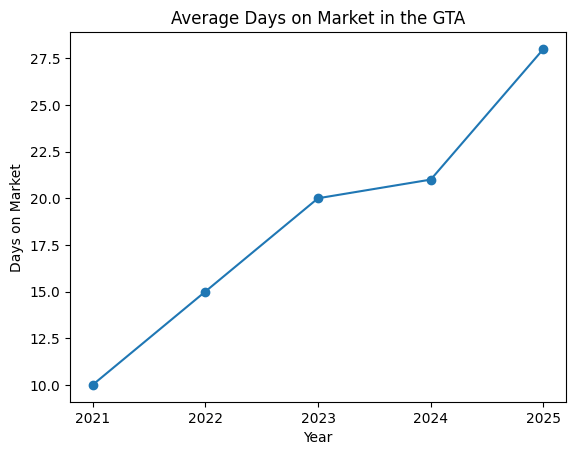
Even though the market feels slower, these numbers are actually closer to long-term historical norms rather than the extreme speed of the pandemic boom.
What Sellers Should Do in Today’s Market
If your home isn’t selling, consider these strategies:
1. Price Strategically
Homes priced correctly attract the most activity in the first 7–14 days.
2. Invest in Presentation
Staging and professional media significantly improve buyer perception.
3. Market Aggressively
Digital marketing, social media exposure, and agent networks are critical.
4. Be Prepared to Negotiate
Conditional offers and price negotiations are more common in today’s market.
The Bottom Line
Homes sitting on the market longer in Toronto doesn’t mean the market is crashing—it simply means the market is returning to a more balanced environment.
In fact, this shift creates opportunities for both buyers and sellers:
For buyers
-
More selection
-
Less competition
-
Stronger negotiating power
For sellers
-
Serious buyers still exist
-
Proper pricing and marketing still lead to successful sales
The key difference today is that strategy matters more than speed.





GET MORE INFORMATION